
Espana 82: The Summer Football Grew Up
Spain 1982: the World Cup where cynicism won, the most beautiful team lost and a Belfast teenager made history. The Disgrace of Gijón and more, revisited.
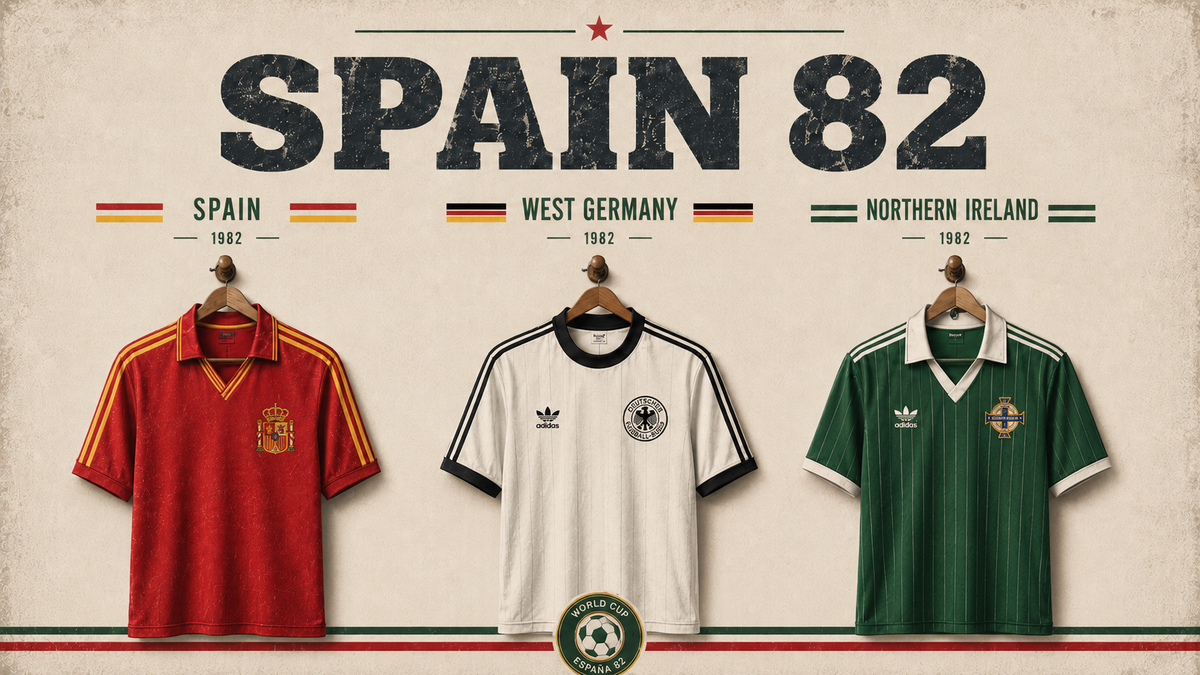
Some World Cups you remember for the football. Spain 1982 you remember for what it did to the football.
The World Cup in 1982 was the tournament where the game seemed to come of age and lose something in the very same fortnight. The cynicism arrived in broad daylight, the most beautiful side anyone had seen got mugged by the pragmatists, and somewhere in the middle of it all a seventeen year old from Belfast set a record nobody has touched since. This article is about three stories, one summer, and a sport quietly working out that it was no longer quite so innocent.
West Germany versus Austria
Start with the disgrace, because everyone else does. On the twenty fifth of June, in front of forty one thousand people at El Molinón in Gijón, West Germany played Austria and both of them already knew how it was going to go.
Algeria had electrified the tournament. They had beaten the European champions West Germany 2-1 in their opening game, a result so unthinkable that the German press had spent the build up wondering aloud how many goals their side would put past the Africans.
Algeria then saw off Chile and finished their group a day before the two German speaking sides kicked off, which left West Germany and Austria with a pocket calculator and a shared interest.
A West German win by one or two goals sent both of them through and dumped Algeria out on goal difference. An early German goal duly arrived, thanks to Horst Hrubesch and then came eighty minutes of two professional football teams passing the ball sideways with all the urgency of a Sunday stroll. Even now it's painful to watch.
The Algerian supporters in the ground worked it out long before the final whistle and started waving banknotes at the players. The Germans named it the non aggression pact of Gijón, which tells you everything about how the watching world felt.
Nothing was ever proven, no charge stuck, and the two sides walked off with exactly what they came for. The only lasting punishment was administered by FIFA, who were shamed into making every final group game kick off at the same time. It is a rule that has survived to this day and is the single most useful thing to come out of the whole sorry afternoon.
Italy 3-2 Brazil
If Gijón was the cynicism, the Sarrià was the heartbreak. Telê Santana had brought a Brazil side to Spain that played football the way the rest of us only dream about it.
Zico, Sócrates, Falcão, Éder, Júnior, were a team of poets who attacked because attacking was the entire point. Defending was an afterthought they would get round to if they absolutely had to. By the time Brazil met Italy in Barcelona on the fifth of July they only needed a draw to reach the semi finals, their goal difference comfortably superior.
Italy needed to win. Italy had been dreadful, three limp draws in the first group stage, and their centre forward Paolo Rossi had just served a two year ban over the Totonero match fixing scandal and looked, by his own admission, like a ghost of a player. Enzo Bearzot had been hammered in the Italian press for picking him at all.
What followed is still argued over as the greatest game in World Cup history. Rossi headed Italy in front inside five minutes. Sócrates levelled within seven. Rossi pounced on a loose Cerezo pass to make it two, Falcão thundered Brazil back to 2-2 from twenty yards, and at that scoreline the most beautiful team in the world were going through.
Then, with sixteen minutes left, Rossi completed his hat trick and broke a footballing era in two. Bobby Charlton watched it from the commentary box in tears and called it the finest match he had ever seen. Brazil went home. Italy went on to lift the trophy.
Rossi took the Golden Boot with six goals, and the carefree, gloriously reckless way of playing the game that Santana represented was quietly buried in the Catalan heat. Brazil have won World Cups since. They have never again been loved quite like that, and they have never again dared to be that beautiful.
Gerry Armstrong sinks Spain
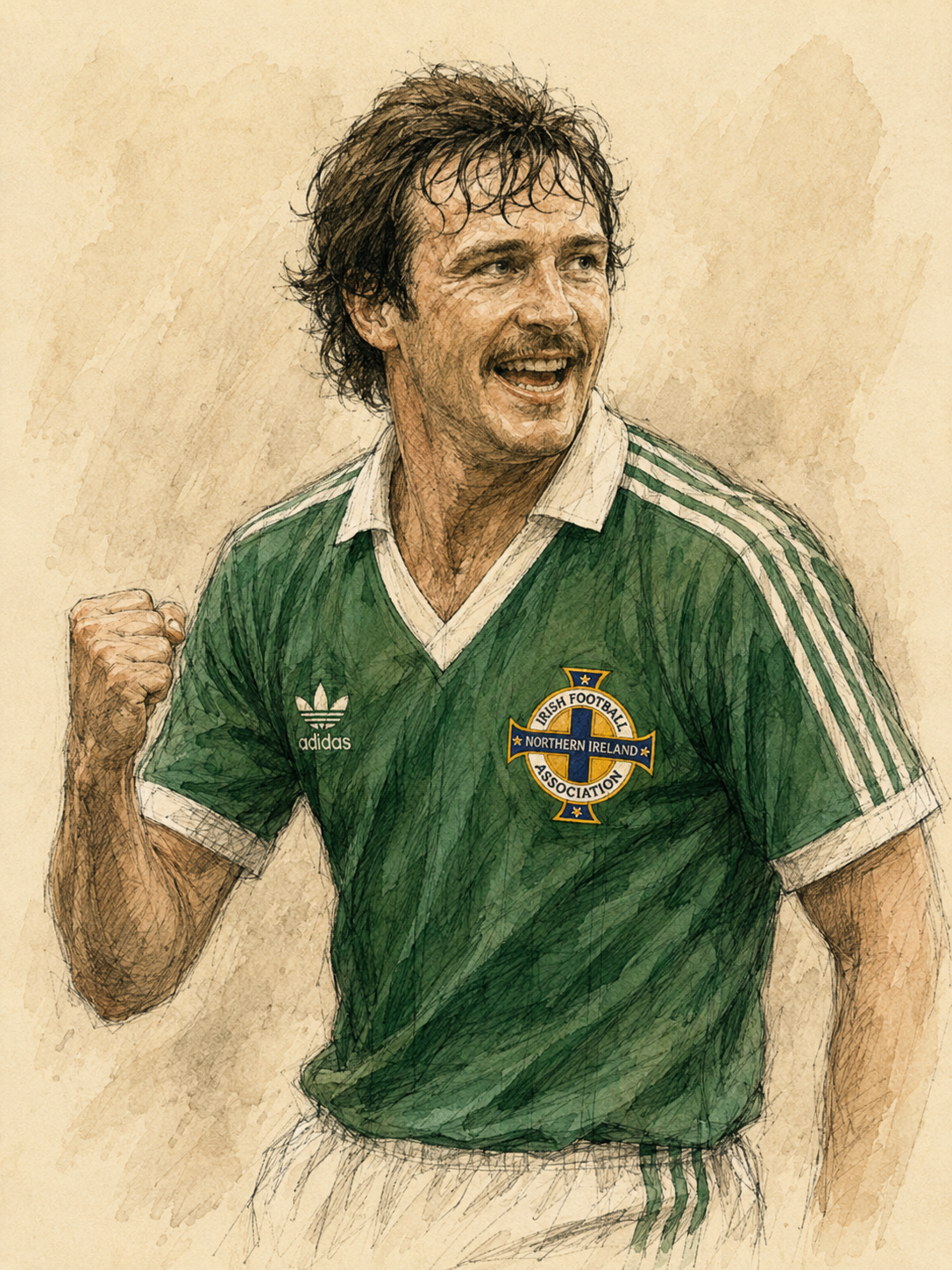
So far, so bleak. Which is where Northern Ireland come in. Billy Bingham had taken a squad to Spain carrying the full weight of the Troubles back home, and he made two decisions that defined it.
He left George Best, thirty five and five years out of the international side, at home. And he handed a debut to a seventeen year old. The player was called Norman Whiteside, who against Yugoslavia became the youngest player ever to appear at a World Cup finals at seventeen years and forty one days. Whiteside's appearance broke a record set by Pelé and holding it to this day.
Two cagey draws followed, against Yugoslavia and Honduras, and then came the hosts. Spain, in Valencia, in front of a crowd that wanted Northern Ireland gone. Gerry Armstrong seized on a goalkeeping mistake to score the goal of his life, and from that moment the night turned into a siege.
Reduced to ten men after a sending off, with Pat Jennings doing things in goal that defied a man of his vintage, Northern Ireland held on for the final half hour. Whiteside later said it felt less like a football match than the Alamo. They won 1-0. They topped the group ahead of the hosts. It remains one of the great underdog nights this island has ever produced, and it happened in the same tournament that gave us its worst behaviour.
That is the strange gift of Spain 1982. It was the World Cup where the cheats prospered and the artists were sent home and the establishment closed ranks, and it was also the World Cup where supporters waving banknotes embarrassed FIFA into doing the right thing and a Belfast teenager wrote his name into the record books for good. The game took something that summer. It also handed a few things back, mostly to the people in the stands who deserved them.
Spain 82 in the end taught the lesson football keeps relearning. The cynics usually win the match, the pragmatists usually win the cup, and a seventeen year old usually walks off with the only prize worth keeping.
Dios del Fútbol is part of the Headers and Volleys Fanzine Network.